First things first: What’s a “Dragonada”?
If you’ve never heard this term before, don’t worry — not even most Spaniards have heard of it, and you won’t find it in any literary theory manual. It’s a made-up term with no direct English translation — kind of like “sobremesa.” But if you love classic fantasy, chances are you’ve already read a dragonada. Or two. Or twenty
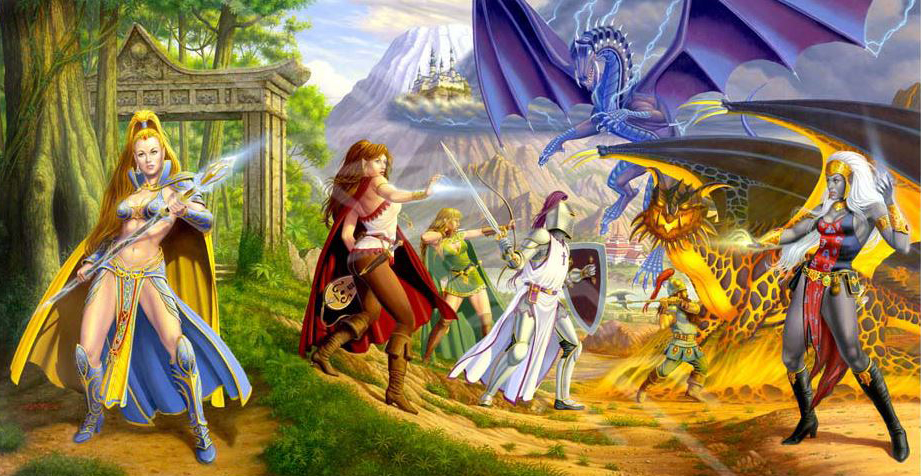
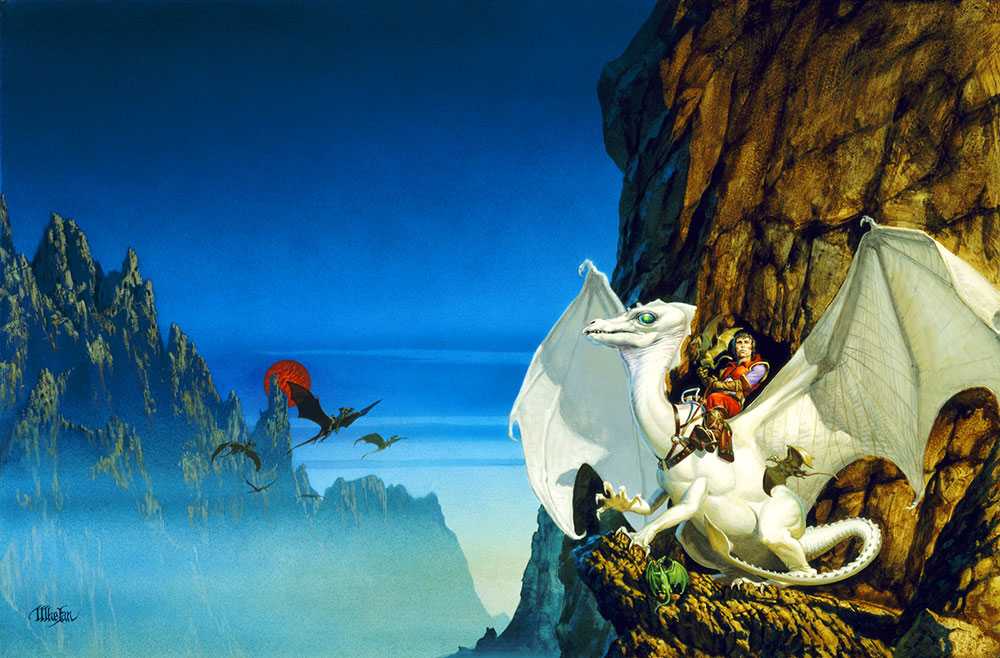
If you’ve ever seen a group of unlikely heroes fighting to save the world while a dragon soars over a crumbling fortress — congratulations: you’ve read a dragonada. To put it simply: for me, Dragons of Autumn Twilight (Dragonlance Chronicles) is the quintessential dragonada. It’s the starting point I recommend to anyone who loves this kind of story — and one that, inevitably, they fall into gladly. But we could also include The Death Gate Cycle, The Chronicles of Shannara, The Wheel of Time, or even sagas like Eragon or the classic adventures of Forgotten Realms. I know there are dozens more titles I’m leaving out — not to mention the ones I haven’t even discovered yet — but this post isn’t about making a list. It’s about openly declaring my love for this type of novel
When we talk about dragonadas, we’re referring to those epic fantasy stories that embrace every classic trope of the genre without a shred of shame. Stories where good is very good, evil is very evil, and in between there are legendary swords, powerful wizards, dragons, gods, prophecies, and world-ending artifacts.
These are tales where heroes embark on impossible quests, where battles decide the fate of entire kingdoms, where villains plot their return after a thousand years of imprisonment, and where epicness seeps into every page.
They’re not subtle stories. They’re not here for deconstruction, subversion, or hidden social commentary. They’re big adventures, with noble characters, classic moral dilemmas, and settings that look like they were ripped straight from a symphonic metal album cover.
In short: dragonadas are classic fantasy at its finest — stories you enjoy with a knowing smile, stories that don’t apologize for their clichés, because they embrace them as part of their identity.
And yes, there are probably dragons. Or, at least, there should be.
“We’re referring to those epic fantasy stories that embrace every classic trope of the genre without a shred of shame.”
Clichés Exist for a Reason
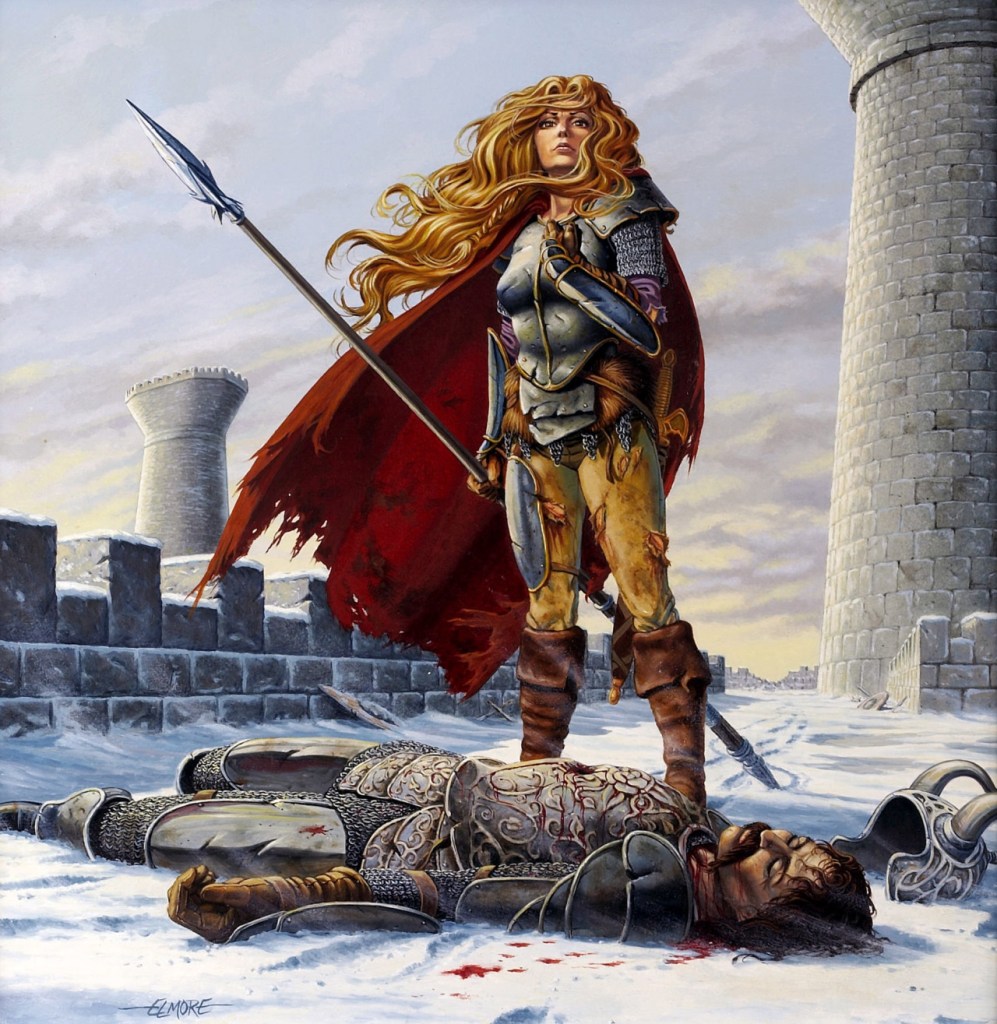
At this point, someone might be thinking: “These are the same old stories. We know how they’ll end, and they’re full of clichés.” And my answer is simple: of course they are! And bless them for it.
Clichés aren’t the enemy of storytelling. Clichés are like the chords in a song — you don’t need to reinvent them every time, you just need to play them well (just ask Ed Sheeran). They’re the basic building blocks of a tradition we’ve shared for centuries. Universal archetypes that speak to the same fears, desires, and hopes that have followed us since we first told stories around a fire.
The chosen hero, the wise mentor, the dark villain returning after centuries, the dragon guarding an ancient secret… We’ve all seen these figures time and again. And there’s a reason they keep coming back: because they work.
A well-done cliché isn’t boring — it’s comforting. It’s that moment when you know exactly what’s going to happen, and you’re still waiting for it, wanting it, like when you watch The Simpsons and recite the jokes by heart. And when the punchline lands, you still laugh.
Because dragonadas aren’t trying to shock you with impossible twists or break the rules of the game. Their goal is something else: to create a “narrative safe zone” where you can dive in without fear, where emotions are clear, motivations are noble, and the journey matters just as much as the destination. You know there will be sacrifices, betrayals, desperate battles. But you also know that, in the end, there will be hope. Because, as those of us “of a certain age” like to say — they don’t make stories like they used to.
Think about it: The Hobbit is a dragonada in miniature — and no less wonderful for it. Eragon embraces every classic trope without apology. And Dragonlance… well, Dragonlance is the mold.
Not every story needs to be deconstructed or subverted to be great. Sometimes, what we really need is to go back to the basics: brave heroes, irredeemable villains, massive dragons soaring over ruined castles. Lessons about the power of friendship. And to live it all with wide eyes and a heart ready to be swept away.
Because in the end, as every good dragonada knows, the epic isn’t in the surprise — it’s in the journey.
The Dragonada Is Fantasy in Its Purest Form
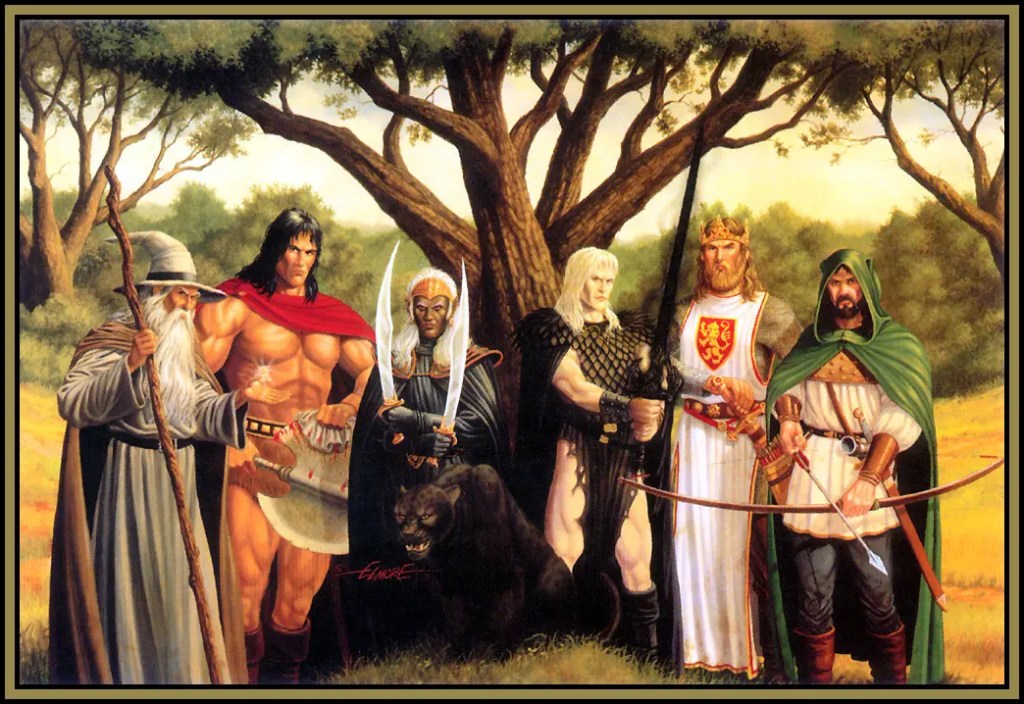
One of the most common criticisms of dragonadas is that “they don’t bring anything new.” That we’ve already seen these stories a thousand times. That they’re predictable, traditional, even outdated.
And you know what? They’re absolutely right. And that’s exactly why I love them.
Classic fantasy doesn’t need to constantly innovate to be exciting. Not every story is meant to break molds or deconstruct tropes. Some stories exist simply so you can sit for hours, leave your brain at the door, and let yourself be carried away. To enjoy. Like a Michael Bay movie. Pure popcorn fun.
A dragonada isn’t simple — it’s archetypal. It draws directly from myths, from foundational legends, from the stories our grandparents told us, and from the symbols we’ve carried ever since the first human looked up at the sky and dreamed of dragons.
Dragons, legendary swords, prophecies, chosen heroes, dark villains… they’re part of fantasy’s alphabet. They’re the letters we’ve been using to write stories for centuries. They’re not there because no one’s had new ideas; they’re there because they resonate. Because they awaken something deep inside us.
Reading a dragonada is like sitting by the fire and listening to a story you already know — but it still thrills you. It’s returning to the castle, the forest, the forgotten tower. It’s facing the dragon again, even though you already know it breathes fire.
Because epicness doesn’t always need surprise. Sometimes, what we truly need is to live the myth again. To walk the familiar path — not because it’s boring, but because we know that’s where the purest, most universal, most timeless emotions live.
A dragonada is the modern version of medieval fairy tales. Of Arthurian legends. Of heroic sagas passed from mouth to mouth before they were ever written down. Its magic lies in its familiarity. In creating a space where everything is larger than life, but at the same time, deeply human.
And that’s the greatness of this kind of fantasy: it’s not just entertainment. It’s tradition. It’s myth, reimagined. It’s a shared ritual. Every time we open a book like this, we join a millennia-old chain of storytellers and listeners, of heroes and monsters, of words that echo like ancient spells.
That’s why it doesn’t need to reinvent itself. Because it’s already perfect in its essence. And every new dragonada isn’t a copy — it’s one more link in that infinite chain.
Dragonadas and Popular Culture
Although dragonadas are usually associated with classic fantasy literature, their influence goes far beyond novels. A dragonada isn’t just a type of story: it’s a structure, a collective imagination that has soaked into popular culture, becoming an essential part of how we understand modern fantasy.
Dungeons & Dragons, the absolute cornerstone of tabletop RPGs, is, at its core, a structured dragonada. It doesn’t matter how many supplements are published, how many alternative settings exist, or how many attempts there are to “darken” the tone: we always return to the same essentials. The ragtag group of adventurers, the impossible quest, the ancient dungeon, the big bad waiting at the end, and the eternal fight for good to prevail. Every D&D campaign is, in essence, a little dragonada lived in real time.
But it doesn’t stop there. Dragonadas have left their mark across nearly every narrative medium. Think of video games like Baldur’s Gate, Dragon Age, Skyrim, Final Fantasy… all of them draw, to greater or lesser degrees, from this legacy. Every magic sword found in a cave, every dark lord rising after millennia, every wizard sacrificing his soul for forbidden power, every triumph of good over evil: it’s all written into the DNA of the dragonada.
In film, we see it in Dragonslayer (1981), Willow, Krull, Reign of Fire, and, of course, the epic sagas of The Lord of the Rings and The Hobbit. Even series like Game of Thrones, despite their more realistic and political tone, draw directly from the dragonada tradition, with ancient dragons, prophecies, and a struggle between good and evil (albeit more morally ambiguous).
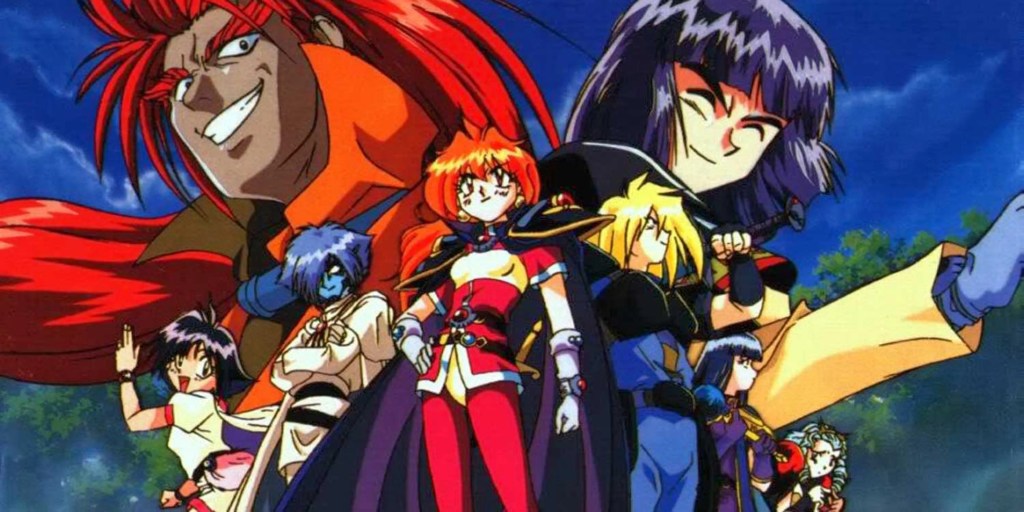
Anime has its own dragonadas: Record of Lodoss War is probably the purest example, but we could also include elements of Slayers or even Fairy Tail.
And even when modern fantasy tries to be “serious,” “gritty,” or “mature,” it can’t escape the roots these stories planted. Dragonadas don’t just define a genre: they define a way of dreaming.
That’s why they’re still alive. That’s why we keep reading them, playing them, watching them, sharing them.
Therefore, let’s love dragonadas
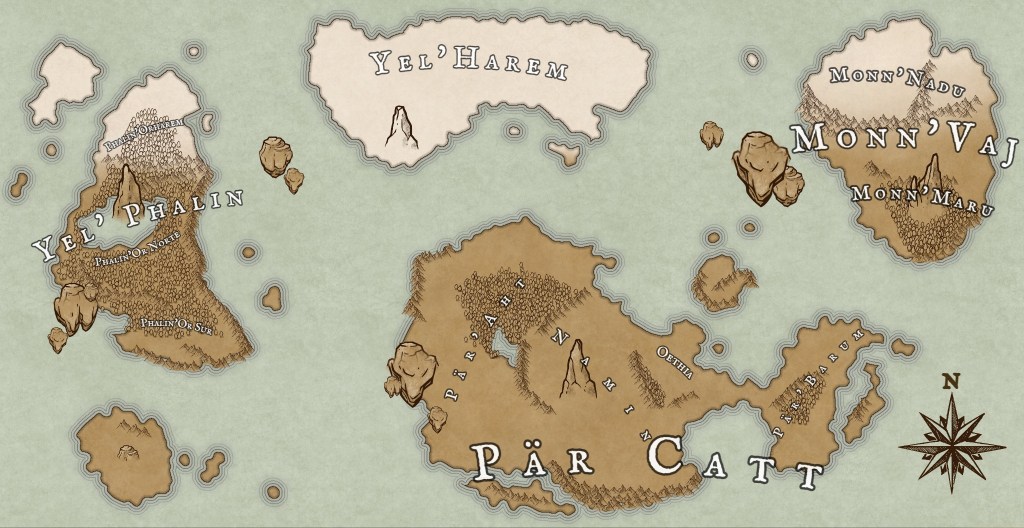
And here’s where I have to confess something: my own world, Ar’Endria, and the stories I’ve been writing—including my main saga, The Disappearance of the Gnomes, which currently has two volumes (The Twin Moons and The Worldstone)—draw openly and unapologetically from these very sources.
Of course there are dragons.
Of course there are artifacts that could change the course of history.
Of course there are secret bloodlines, half-forgotten prophecies, and heroes who never wanted to be heroes.
But with my own personal twist.
Because there’s absolutely nothing wrong with embracing tropes when you do it with love. Because fantasy doesn’t need to be reinvented every time—it just needs to be told with soul.
And if my saga is a dragonada, I’ll say it loud and proud. I don’t want to escape the magic. I want to celebrate it. And I want to read the perfect dragonada I haven’t found yet.
So if you’re looking for a story where fantasy is pure, overflowing, full of dragons, impossible adventures, and that classic spirit we all love… I welcome you to my very own dragonada. I just need someone to publish it, and we’re set.
Let there be more dragonadas.
Let the dragons return.
Let adventure never fade.
 Dice and Chronicles
Leave a comment