
The Hit You Never See Coming
You start your novel full of excitement.
Maybe you’ve sketched out a detailed outline—or maybe you’ve thrown yourself headfirst into the adventure.
Before you know it, you’re a few chapters deep. Maybe three. Maybe five.
And suddenly you think you’re a genius.
But there comes a moment when you don’t even want to open the document.
Why?
A few reasons.
My two favorites—and the ones I can speak about from personal experience—are these.
First – realizing how insanely difficult it is to maintain coherence from start to finish. Way harder than you thought.
Writing the words a scene demands becomes tedious because you feel like your vocabulary is collapsing.
You think you’ve repeated the same word so many times that you desperately search for a synonym you haven’t already used—one that makes you look like “more of a real writer.”
Which leads you straight into the magnificent feeling known as impostor syndrome.
That invisible monster that shows up exactly when you’re at your weakest.
“Who do I think I am?”
“Who’s ever going to read this?”
And my personal favorite – “There are a thousand people doing this better than me.”
This is the first reality check when it comes to writing.
Realizing that the project you embarked on requires a far more complicated logistics system—and a hell of a lot more effort—than just writing a few pages sprinkled with fancy words like “real writers” supposedly do.
How do you overcome this?
Still working on it.
If anyone has tips to share, please—send help.
Comparison Is the Killer of Joy
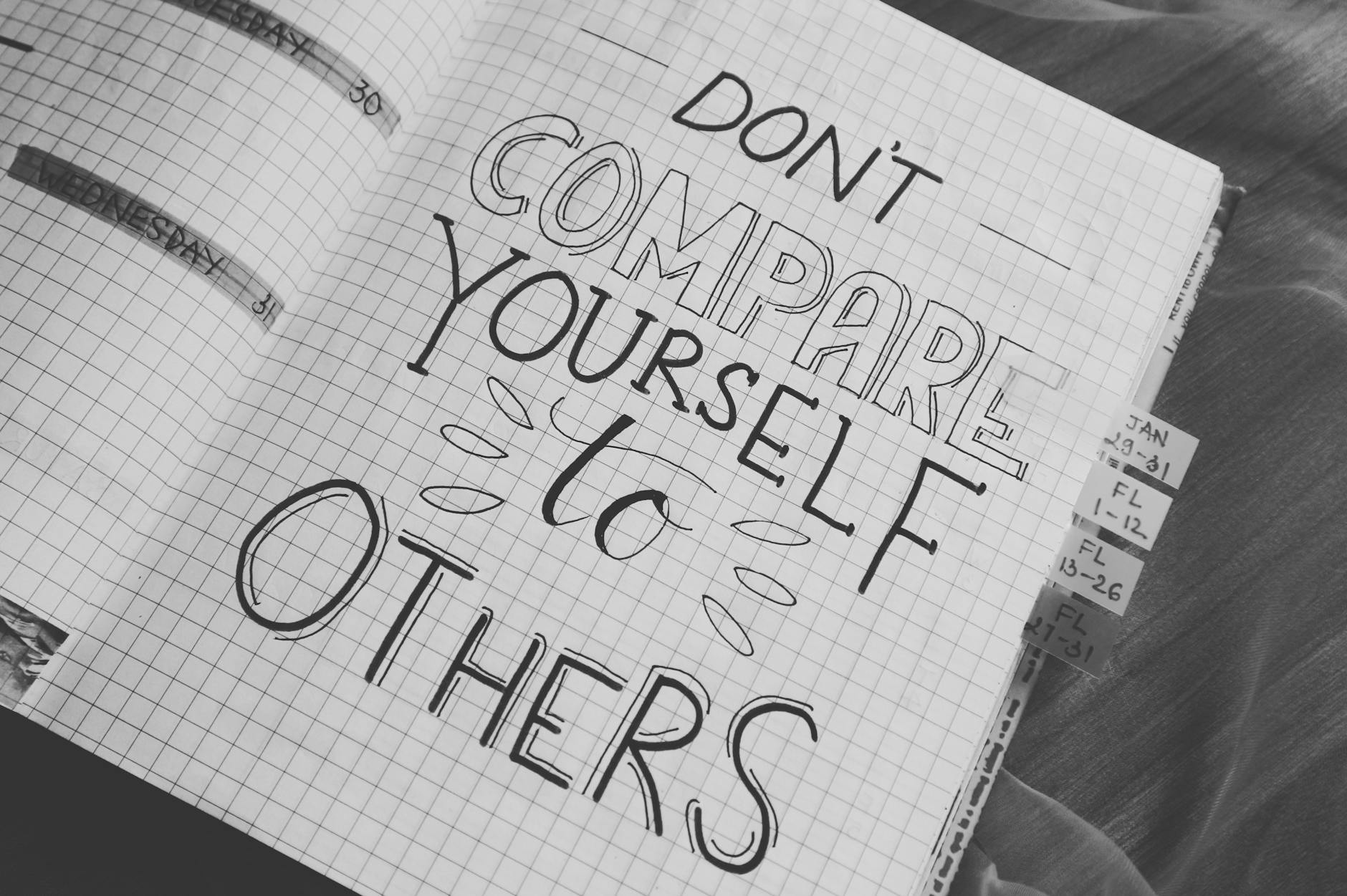
Right alongside impostor syndrome comes its loyal companion.
A feeling that shrinks you down to the smallest version of yourself.
And as Theodore Roosevelt said it best: “Comparison is the killer of joy.”
And believe me—it shows up in two distinct flavors.
First – when you read the greats.
Your everyday Sandersons. Your Abercrombies. Your Laura Gallegos.
Or anyone who’s made it big.
It hits even harder when you read stories like Christopher Paolini’s—the guy who wrote Eragon at sixteen, got published, and became a massive success.
That’s when you think, “That’s never going to happen to me.”
Second – when you compare yourself to authors or works you don’t think deserve to be published.
The ones you believe lack quality.
The ones where you spot the plot twist before the first act even ends.
And then you think, “I could do this way better.”
Both scenarios are equally bad.
Both come from comparing yourself to things utterly out of your control.
And the moment you start running the mental script of “I’m better” or “I’m worse,” that’s where the demon sets up camp.
So here’s a piece of advice—take it or leave it:
You’re not writing to be the next Tolkien
– even if there’s always that one enlightened soul out there who claims they’re already better than him without even posting on the family WhatsApp group.
You’re writing to be you.
You’re doing it because, although you love reading [insert your favorite genre here], you still haven’t found the story that feels 100% perfect.
And you want to read it.
So you have to write it.
You write the story you would devour in every possible way.
The Mistake of Thinking Your First Novel Is for Publishing
We already mentioned Eragon.
This is a dream I see all the time among new writers (including myself, by the way—I’m no better than my neighbor).
And I can confidently say, even hidden behind the fake modesty of “well, it would be nice, but it’s not the main goal,” it’s the most common mistake:
Thinking your first manuscript is your publishing debut.
Spoiler: it’s not.
(I learned this the hard way.)
Your first manuscript is your workshop.
Your training ground to learn how to close a narrative arc.
To remember that you need to actually resolve those mysteries you teased ten chapters ago.
To make sure that if a character shows signs of betrayal—they follow through—and that it’s not a twist just for the sake of a twist.
You’ll understand that writing is not the end.
Then comes rewriting.
And it’s brutal. But you’ll come to appreciate the beauty hidden in that brutality.
You’ll figure out what kind of narrator you are.
How you flow—or don’t—with the text and the words.
Whether you’re a heavy or light hand with descriptions.
And—most importantly for me—you’ll learn what not to do next time.
Because yes, knowing what works is crucial—
but knowing what doesn’t is priceless.
Because here’s a truth that hurts a little:
All of us, somewhere deep down, have that fantasy—
that we’ll finish our manuscript and the biggest publishers in the world will fight over the gold we just crapped out.
But no.
If, after the brutal journey that is finishing a novel, you still have the strength to look for a publisher—you’ll likely find closed doors before you even knock.
Or worse—you’ll send your submission off into the void.
That same void where lottery dreams and unanswered text messages go to die.
You’re learning.
Just like everyone else.
And there’s still a long way to go before you publish—
if you ever do.
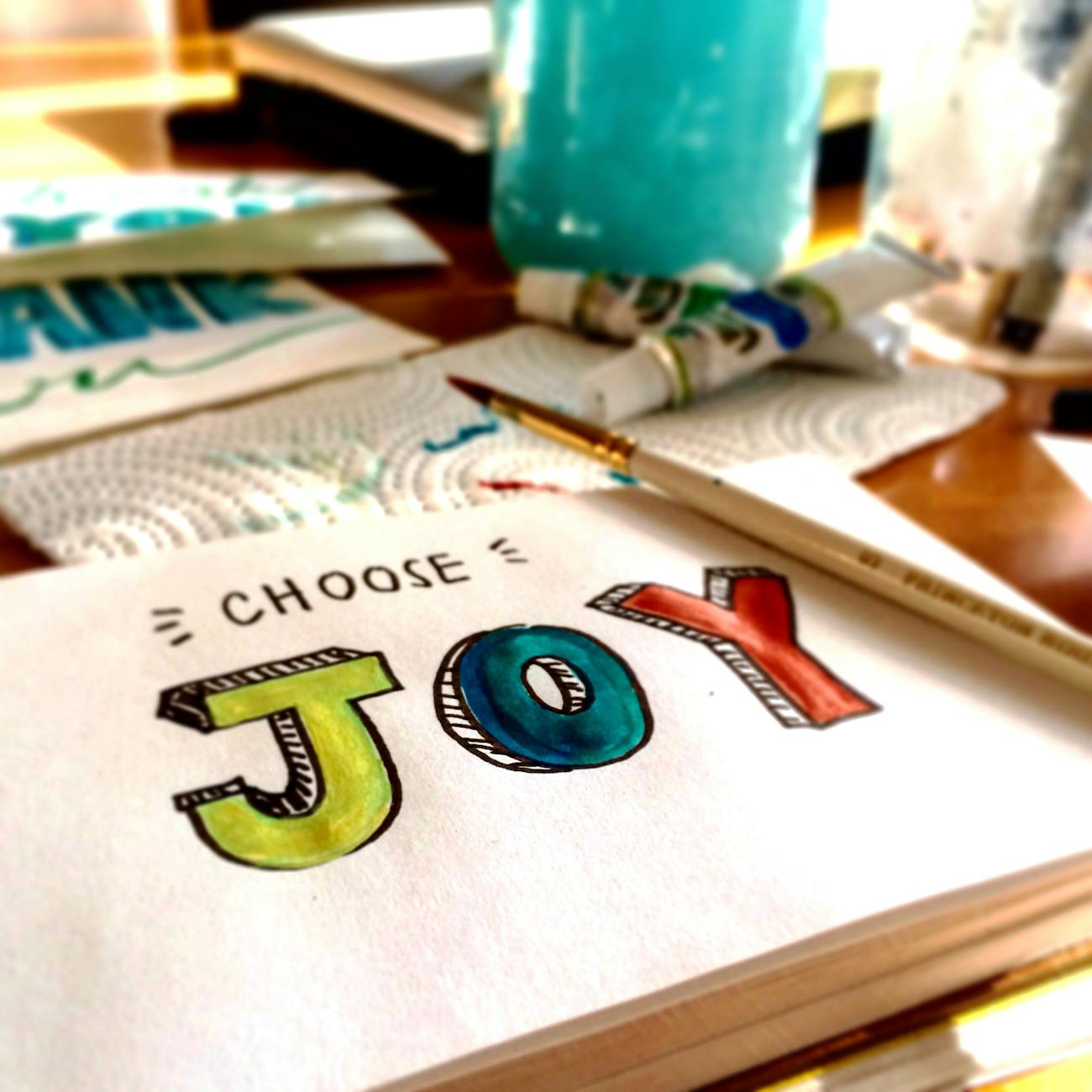
DO IT BECAUSE YOU LOVE IT
(This block deserves all caps.)
So—why are you writing?
Writing should first and foremost be an act of joy.
Of personal challenge.
Or, as we say where I come from—”de ti, pa’ ti”—from you, for you.
First, you have to actually finish something.
It doesn’t count if you have 20 documents with half-written chapters you’ve been promising yourself you’d finish “someday.”
Once you complete the journey of writing a full manuscript—whether it’s 20k words or 100k—new doubts will appear.
“What if I rewrite chapter one?”
“I think this part feels weak and boring.”
“I can’t show this to anyone—they’ll laugh at me.”
And that last one might just be the most common.
It’s terrifying to show what you’ve written because, thanks to that raging impostor syndrome, you think,
“How am I supposed to show this? They’ll probably laugh because it’s not as good as [insert famous writer here].”
And if, for whatever reason, you manage to overcome that barrier, the next one comes along.
At first, the only people who’ll read your work are your friends.
Or your mom.
(Sometimes… not even her.)
But that’s fine.
It’s absolutely fine.
Sure—we all enjoy a little recognition for our work.
After all, we’ve spent countless hours piecing together something we’re supposedly proud of.
Of course, we want someone to see and appreciate all the effort behind every word.
But the harsh truth is—you won’t always get that recognition.
At least not at the level you hope for.
And that’s fine too.
It really is.
Understanding that this is a marathon and not a sprint—
that was the hardest lesson to hammer into my thick skull.
Enjoy the process of writing.
Feel thrilled when your characters share a precious moment.
Get furious when the villain pulls off a perfect betrayal.
Suffer when you’re forced to write that brutal scene where your favorite side character’s life hangs by a thread.
That—at least from my humble perspective—is what we should focus on.
Sure, in today’s world, having an online presence is basically mandatory.
Interacting. Socializing.
But it’s like building a castle—one grain of sand at a time.
You can do it, but take it easy.
One grain after another.
One post after another.
Don’t obsess over getting published and making it big.
Publishing will come—in one form or another.
(There are plenty of alternatives if you don’t land a traditional deal.)
What matters right now is simple—
Finish things.
What If I Want to Get Published?
Fantastic.
But don’t let that be your center.
Don’t let it be your fuel.
Of course, you can organize your publishing project.
Write a synopsis.
Look for agents.
Research different self-publishing paths.
All of that is necessary—and there are dozens of guides that can show you the steps.
(Please—avoid the “I’ll teach you how to publish your book in 3 easy steps for only $500” gurus.)
My advice?
Even though it’s something desirable and worth keeping in mind, treat it as a background process.
Don’t let it become the main goal of your efforts.
Because that’s when frustration comes in.
And complaints.
And the gut-wrenching feeling of “maybe I’m not good enough for this.”
Which might be true—
but even then, you keep trying.
You keep improving.
I learned this lesson the hard way when I first got into drawing.
I wanted to create the same kind of art I saw in manga or Marvel and DC comics.
But no matter how hard I tried, my stick figures didn’t even have the right proportions, and my “action poses” looked like something crawled out of the deepest pits of hell.
It took time, practice, and years for me to finally develop a style that’s mine and that I actually like.
It’s nothing I could make a living from—
but at least now my figures have some dynamism.
And writing is exactly the same.
Testing the waters with your finished stories is good.
But you have to keep producing—
to keep getting better.
Publishing can wait.
Your evolution as a writer cannot.
Investing Time into Something No One Might Ever Read (And Doing It Anyway)
Not long ago, I asked myself—
When can I really call myself a “Writer”? With a capital W.
Well—everything we’ve talked about so far?
That is being a writer.
Not selling books.
Not winning awards.
Writing even when no one is watching.
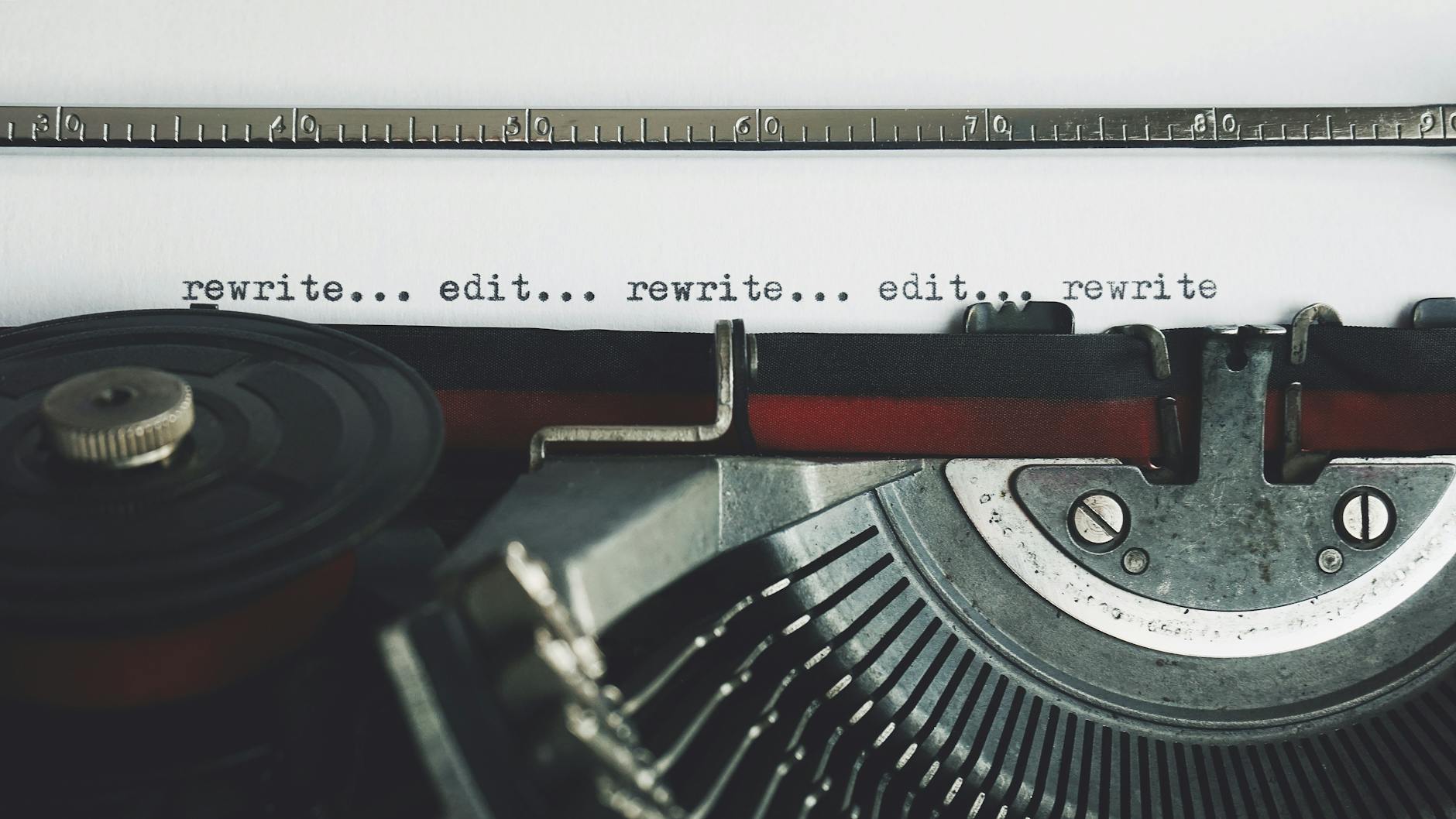
Hitting key after key, crafting sentences that might—someday—build a story that maybe no one will ever read.
And still sitting down to keep writing anyway.
Finishing a manuscript.
Rewriting it.
Learning.
Screwing up.
Getting better.
Starting again.
And not doing it to shine.
Doing it because we can’t not do it.
That’s what being a writer means.
 Dice and Chronicles
Leave a comment